
Landowners leaving cattle or hay
Keep your land in ag use without livestock, fencing or equipment.
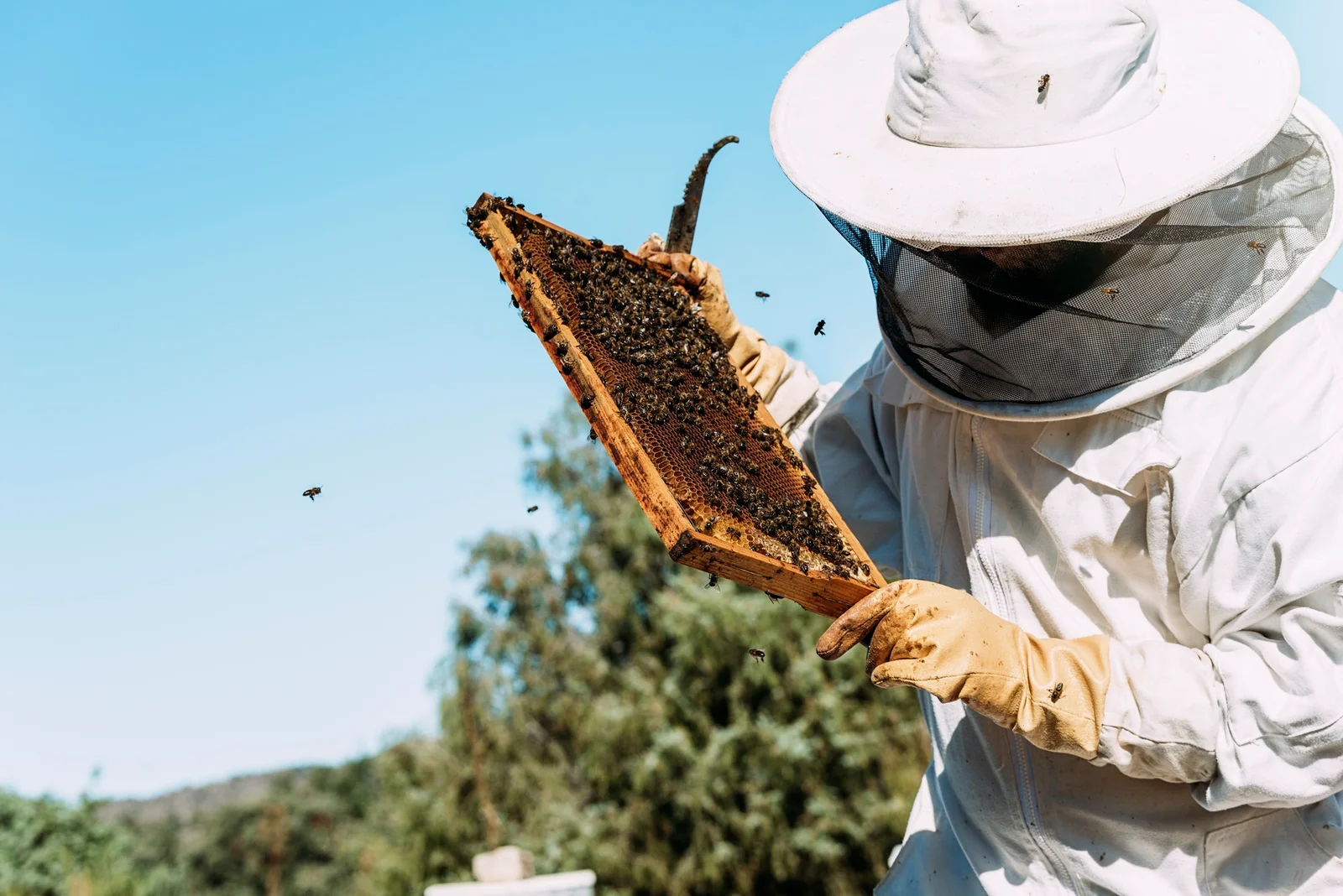
AG EXEMPTION HIVE LEASING
Texas lets 5–20 acre properties stay in ag use through beekeeping. We supply the bees, manage them all year and keep the records — so your land keeps working for you.
Yes. In 2011, Texas added beekeeping to the list of agricultural uses that can qualify land for 1-d-1 open-space (“ag”) valuation. It applies to tracts of at least 5 and no more than 20 acres, where bees are kept to pollinate crops or produce honey and other agricultural products.
“Ag exemption” is the name most people use. The official term is agricultural or open-space valuation — your land is taxed on its productive value instead of its market value. Your county appraisal district decides who qualifies.
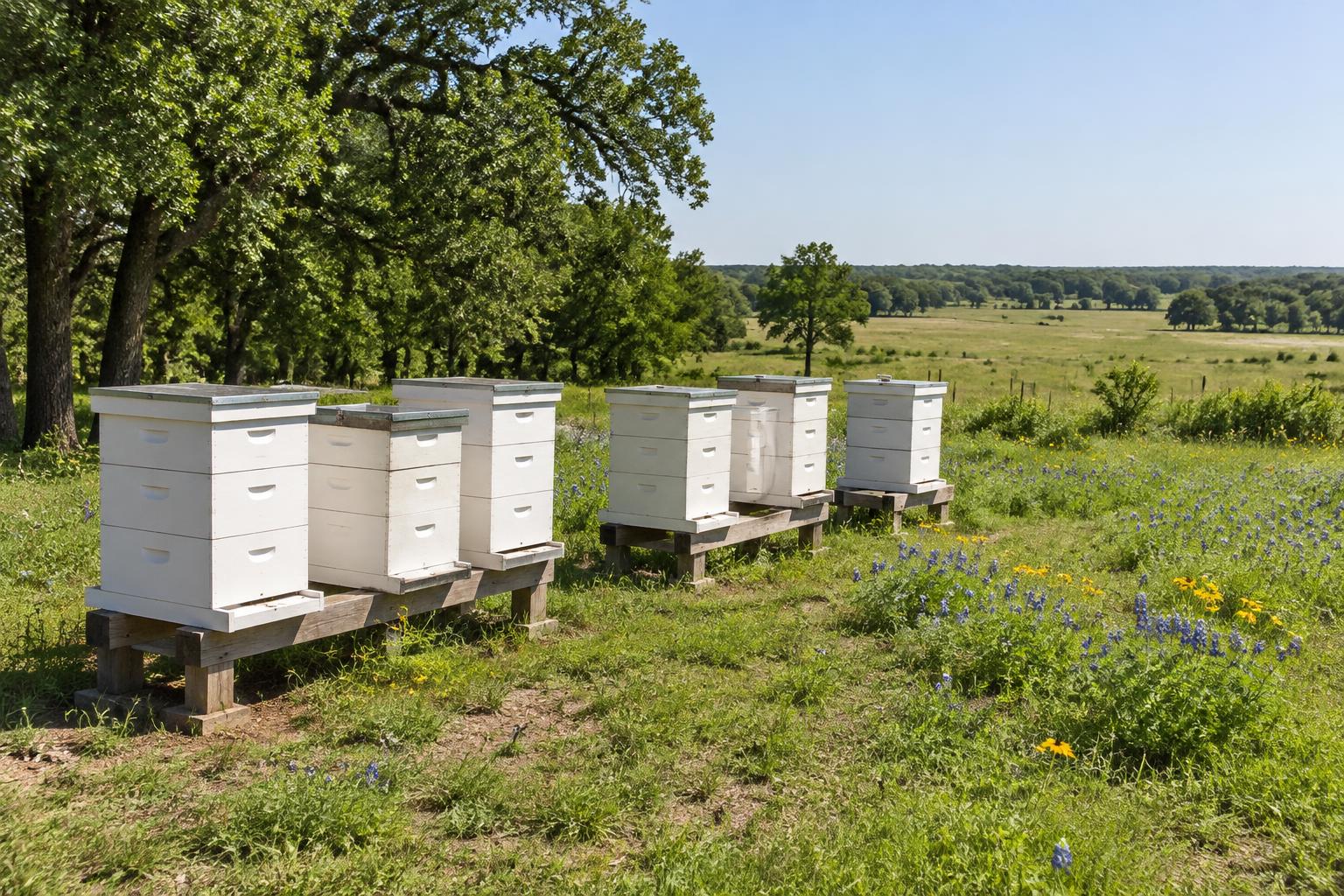
Keep your land in ag use without livestock, fencing or equipment.
Bought 5–20 acres that used to be farmed? Talk to us before the ag use lapses.
Keep the property in ag without moving there or farming it yourself.
Hands-off for you. We handle the hives.
Every county writes its own beekeeping guidelines, so details change from one appraisal district to the next. Most look at:
During your free land check we compare your property against your county's current guidelines, so you know where you stand. Acreage and hive placement alone do not guarantee approval.
We talk through your county, acreage, current ag status and agricultural history. Your free land check helps you understand the next steps before you commit.
We agree on your lease and the right number of hives for your county. Hives are placed with access to water, forage and shade, away from homes and livestock.
We handle inspections, feeding, mite control, swarm prevention and colony upkeep year-round, so your hive count stays where it needs to be.
We keep inspection logs and hive records your appraisal district may ask for. You file your application; we make sure you're not short on bee documentation.
New applicants generally file Form 50-129 with their county appraisal district, usually by April 30. Confirm current requirements, deadlines and any late-application options directly with your district.
| Consideration | Beekeeping | Cattle or hay | Wildlife management |
|---|---|---|---|
| Typical acreage | 5–20 acres | Usually more | Varies |
| Equipment you need | None — we supply it | Fencing, water, equipment | Habitat work + plan |
| Day-to-day work for you | None | Ongoing | Ongoing |
| Who manages it | Spoiled Brat Bees | You or a lessee | You or a consultant |
General comparison only. Requirements vary by county. “None” refers to beekeeping equipment and routine hive care under our managed lease; landowner access, application and other obligations remain. Cattle or hay acreage varies by operation. Wildlife management has separate eligibility and planning requirements.
The sooner the better. Hives need to be placed and actively managed, and new applications for ag valuation are generally due to your appraisal district by April 30. If your current ag use is ending, call us before it lapses.
We serve landowners across Brown County and surrounding Central Texas counties.
Yes. Since 2011, Texas law has recognized beekeeping as an agricultural use for land between 5 and 20 acres, as long as the bees are kept to pollinate crops or produce honey and other agricultural products. Your county appraisal district makes the final call, and we help you meet its beekeeping guidelines.
It depends on your county. Each appraisal district sets its own minimums, usually a set number of hives for the first five acres plus more for each additional acre. We match your hive count to your county's current guidelines.
No. We own, place and manage the hives. You just give us access to the spot we agree on.
In most cases, 1-d-1 valuation looks for agricultural use in at least five of the past seven years. Land that's already in ag can often move into beekeeping. If yours isn't, we'll talk through your options during the free land check.
We place hives away from homes, driveways and pens, and manage our colonies for calm temperament. Most clients barely notice them.
No. We're beekeepers, not tax advisors. We give you healthy managed hives and good records. Always confirm requirements with your county appraisal district.
The hives are ours and we manage them under your lease. Honey and hive ownership are spelled out clearly in your lease agreement before anything is placed.
Pricing depends on your acreage, county guidelines and how many hives are needed. Every quote is custom and starts with a free land check.
Spoiled Brat Bees Apiary provides beekeeping and hive management services. We do not provide tax or legal advice, and qualification for agricultural valuation is decided by your county appraisal district.